Can Dogs Eat Cheese? What Dog Owners Should Know
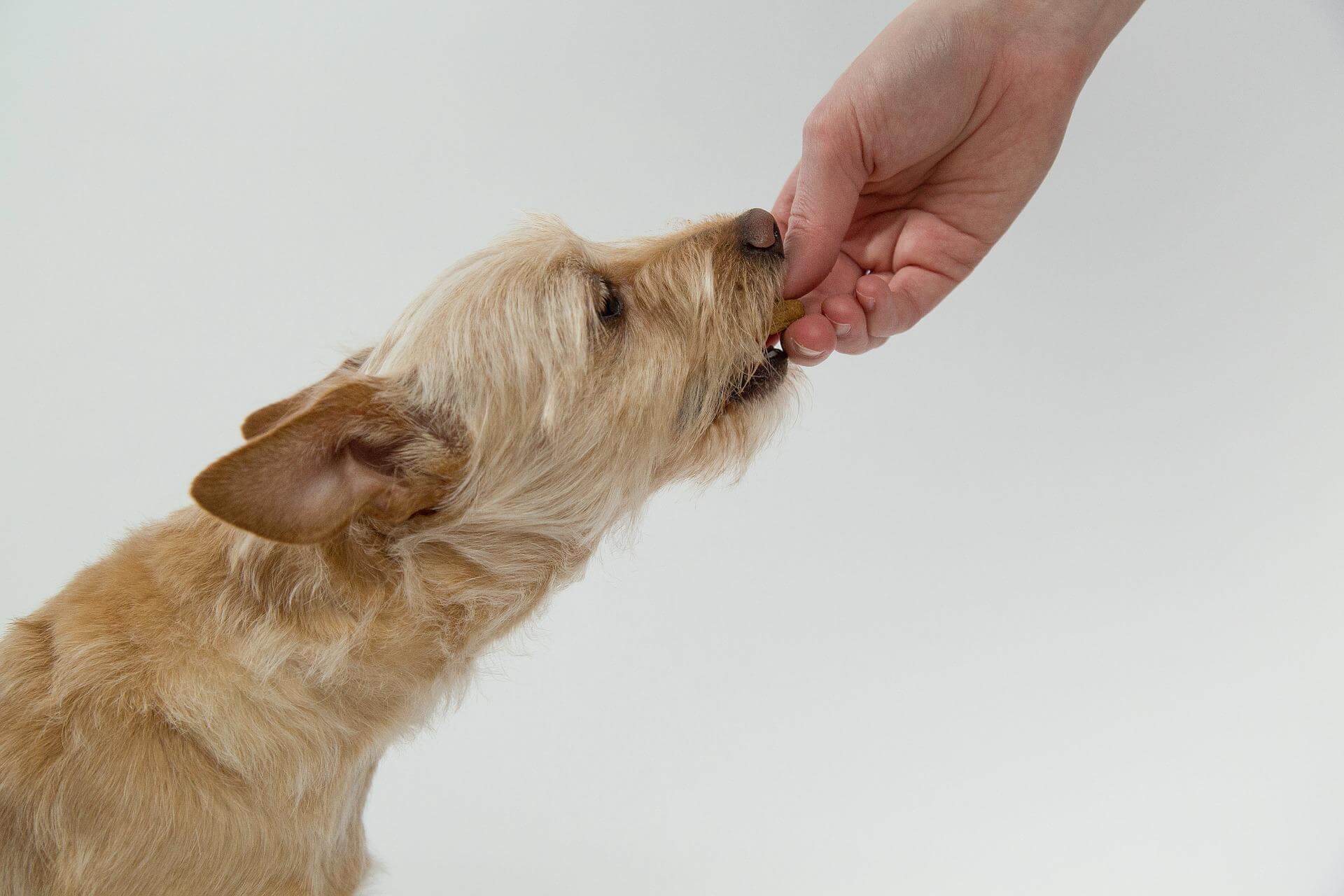
Yes, dogs can eat cheese, but only in small amounts and only if they tolerate dairy well. For many dogs, a tiny piece of cheese can be a tasty training reward or an occasional treat. However, cheese should never become a major part of a dog’s diet because it is often high in fat, calories, and salt.
The safest approach is simple: treat cheese as a special snack, not an everyday food. Some dogs digest it without any problem, while others may develop stomach upset because of lactose intolerance. According to veterinary sources, dogs with lactose intolerance may experience signs such as diarrhea, bloating, or abdominal discomfort after consuming dairy products.
Is Cheese Good for Dogs?
Cheese can offer protein, calcium, and flavor, but that does not automatically make it a “healthy” food for dogs. Most dogs already get the nutrients they need from a complete and balanced dog food. Cheese is better viewed as a high-value treat, especially during training, because many dogs find it very motivating.
The problem is that cheese is calorie-dense. Even a small cube can add extra calories quickly, especially for small breeds. Too much cheese can contribute to weight gain, and high-fat foods may increase the risk of digestive issues or pancreatitis in some dogs. The American Kennel Club notes that cheese can be safe in small-to-moderate amounts, but warns that its high fat content can lead to obesity and other health concerns when overfed.
What Types of Cheese Are Safer for Dogs?
The best cheeses for dogs are usually plain, lower-fat, and lower-sodium options. Mozzarella and cottage cheese are commonly recommended because they tend to be lighter choices compared with many hard or processed cheeses. Cheddar and Swiss cheese may also be tolerated by some dogs, but they should still be given in very small portions.
When choosing cheese for your dog, avoid anything heavily salted, smoked, spicy, processed, or mixed with added ingredients. Plain is always safer. PetMD also recommends low-fat and low-lactose options like mozzarella, while reminding owners that cheese should only be given in moderation.
Cheeses Dogs Should Avoid
Some cheeses are not safe choices for dogs. Blue cheese should be avoided because it can contain compounds from mold that may cause problems for dogs. You should also avoid cheeses with garlic, onion, chives, herbs, chili, raisins, nuts, or heavy seasoning. Garlic and onion ingredients are especially concerning for dogs.
Very salty cheeses, such as feta, halloumi, and parmesan, are not ideal either. A tiny accidental amount may not be an emergency for most healthy dogs, but these cheeses are not good regular treats because of their sodium content. Dogs with kidney disease, heart problems, pancreatitis, weight issues, or a history of digestive sensitivity should avoid cheese unless a veterinarian says otherwise.
Can Puppies Eat Cheese?
Puppies can usually have very small amounts of plain cheese, but extra caution is needed. Puppies have smaller bodies and more sensitive digestive systems, so even a small piece can be a lot for them. Cheese may be useful as a high-value training reward, but it should be cut into tiny pieces.
A good rule is to keep treats, including cheese, under 10% of your dog’s daily calories. PetMD specifically notes that cheese should be an occasional treat and should not make up more than 10% of a dog’s daily diet.
How Much Cheese Can a Dog Eat?
The right amount depends on your dog’s size, weight, health, and tolerance. A large dog may handle a small cube better than a tiny dog, but moderation still matters. For many dogs, one or two very small pieces are enough.
Start with a tiny amount the first time. Then watch your dog over the next several hours. If you notice gas, soft stool, vomiting, itching, discomfort, or loss of appetite, stop giving cheese and choose a different treat. Dogs with known dairy sensitivity should avoid cheese completely.
Can Dogs Eat Cheese Every Day?
It is better not to give cheese every day. Even if your dog loves it, daily cheese can add too many calories and too much fat or salt over time. Cheese works best as an occasional reward, not a regular snack.
For training, you can make cheese last longer by grating a small amount or cutting it into tiny pieces. This gives your dog the taste and motivation without adding too much fat or calories.
Can Dogs Eat Mozzarella Sticks?
No, dogs should not eat mozzarella sticks. The mozzarella itself may be safe in small amounts, but mozzarella sticks are usually fried and covered in breadcrumbs. They are high in fat, oil, and salt, which can upset your dog’s stomach and may be risky for dogs prone to pancreatitis.
Can Dogs Eat Cream Cheese?
Plain cream cheese is not toxic to dogs, but it is high in fat and often higher in lactose than some other cheeses. A tiny taste may be okay for some dogs, but it is not the best option. Flavored cream cheese should be avoided because it may contain garlic, onion, herbs, or other ingredients that are unsafe for dogs.

Can Cheese Help With Dog Training?
Yes, cheese can be useful for training because many dogs see it as a very exciting reward. It can be helpful when teaching a difficult command, practicing recall, or working in a distracting environment. However, it should be used strategically.
Instead of giving large chunks, use tiny pieces. Your dog does not need a big cube to feel rewarded. A pea-sized piece is often enough, especially for small dogs.
Final Answer: Should You Give Your Dog Cheese?
Dogs can eat cheese in moderation, but it should be treated as an occasional snack. The safest choices are plain, lower-fat, lower-sodium cheeses such as mozzarella or cottage cheese. Avoid blue cheese, heavily salted cheese, fried cheese, and any cheese with added garlic, onion, spices, or other risky ingredients.
Cheese can be a helpful training treat, but it is not necessary for a healthy diet. When in doubt, start small, watch your dog’s reaction, and speak with your veterinarian if your dog has health issues or a sensitive stomach
FAQ

Subscribe to our weekly newsletter below and never miss the latest article.






I was pretty pleased to discover this great site. I want to to thank you for ones time due to this fantastic read!! I definitely appreciated every part of it and I have you book marked to look at new stuff on your web site.
Thank you for your feedback! Don’t forget to subscribe to my newsletter, I share more stuff every week.